
The hidden motivations behind why we gamble Understanding the psychology of risk and reward
The Allure of Risk and Uncertainty
At the core of gambling lies the compelling nature of risk and uncertainty. When individuals engage in gambling, they face the thrill of the unknown, where outcomes are unpredictable. This uncertainty can evoke a heightened sense of excitement, as players often fantasize about the possibilities of winning. The rush of adrenaline associated with taking risks is a significant factor driving people to gamble, allowing them to escape mundane routines and experience a sense of adventure. Many players enjoy knowing that they can find their next gaming venue at https://aquawin-casino.io/en-au/, further enhancing their overall experience.

This psychological draw of risk can be linked to the concept of “variability,” where the potential for big wins against the backdrop of repeated losses creates a compelling dynamic. The unpredictability of outcomes feeds into the human desire for control and mastery over chance. Individuals often perceive themselves as strategists, believing they can manipulate odds to their advantage, even when faced with inherent randomness. This illusion of control is a powerful motivator that can keep players returning for more.
Moreover, the excitement of risk can lead to a cognitive bias known as the “gambler’s fallacy,” where individuals mistakenly believe that past events influence future outcomes. This fallacy can amplify the urge to continue gambling, as players may convince themselves that luck will change in their favor. Understanding this psychological underpinning can illuminate why people persist in gambling, even when the odds are stacked against them.
The Reward System and Dopamine Release
The interplay of reward and addiction in gambling can be largely attributed to the brain’s chemistry, particularly the release of dopamine. When individuals win, their brains release this “feel-good” neurotransmitter, creating feelings of pleasure and satisfaction. This chemical response reinforces the behavior, making them more likely to return to gambling in pursuit of that euphoric sensation. The cycle of winning and losing creates an addictive loop, drawing players deeper into the gambling world.
Interestingly, the anticipation of a win can be just as stimulating as the actual reward itself. Research has shown that the brain responds positively to the excitement of potential rewards, prompting individuals to chase that thrill. This phenomenon is evident in the use of slot machines, where the sounds and visuals create an immersive experience that heightens anticipation, even before a win is achieved. Such mechanisms make it easy for gamblers to become entranced by the prospect of reward, overshadowing the potential risks.
Additionally, the illusion of near-misses can also play a crucial role in the psychology of gambling. Players often experience a rush when they come close to winning, leading them to believe that they are “due” for a win. This reinforcement can override rational thought, driving individuals to continue gambling despite clear evidence that their chances of winning are slim. Understanding the intricacies of this reward system is essential in grasping the motivations behind gambling behavior.
The Social and Emotional Dimensions of Gambling
Gambling often transcends mere monetary stakes; it becomes a social activity that fosters connections among individuals. Many people engage in gambling not just for the thrill, but to socialize with friends and family. Casino outings or online gaming platforms often serve as social hubs where people can bond over shared experiences. This social dimension adds another layer to the motivations behind gambling, intertwining emotions and community interactions with the act itself.
Additionally, emotional factors significantly contribute to why individuals gamble. Many people turn to gambling as an escape mechanism to cope with stress, anxiety, or even boredom. The act of placing a bet can serve as a temporary diversion from life’s challenges, providing a sense of accomplishment or a break from reality. In this way, gambling can inadvertently become a maladaptive coping strategy, as individuals seek relief through the excitement it brings.
The impact of societal pressures and cultural norms cannot be overlooked either. In many cultures, gambling is romanticized, often portrayed in films and media as a glamorous lifestyle. This portrayal can influence individuals’ perceptions of gambling, leading them to view it as an aspirational activity rather than a risky endeavor. By understanding these social and emotional dimensions, we can gain insight into the complex motivations behind gambling behavior.
The Role of Marketing and Environmental Cues
Marketing plays a crucial role in shaping our perceptions of gambling. Casinos and online platforms invest heavily in promotional strategies to attract players. These advertisements often highlight the thrill of winning and the luxurious lifestyle associated with gambling, further enticing potential players. The allure of promotions, bonuses, and jackpots can create an environment where individuals feel compelled to participate, often underestimating the associated risks.
The physical and digital environments where gambling takes place also significantly influence behavior. The design of casinos, with their bright lights, sounds, and decorations, aims to create an immersive experience that keeps players engaged. Similarly, online gambling platforms utilize gamification techniques to enhance user experience, fostering a sense of accomplishment that can keep players returning. These environmental cues are strategically crafted to stimulate a desire for participation and prolong engagement, reflecting a deeper understanding of human psychology.
Furthermore, the presence of other gamblers can affect individual behavior through social proof. Observing others winning can spur individuals to place bets they might otherwise avoid. This psychological phenomenon reinforces the idea that winning is within reach, motivating individuals to gamble more. By exploring the marketing tactics and environmental cues, we can better understand how they exploit psychological vulnerabilities, driving individuals toward gambling.
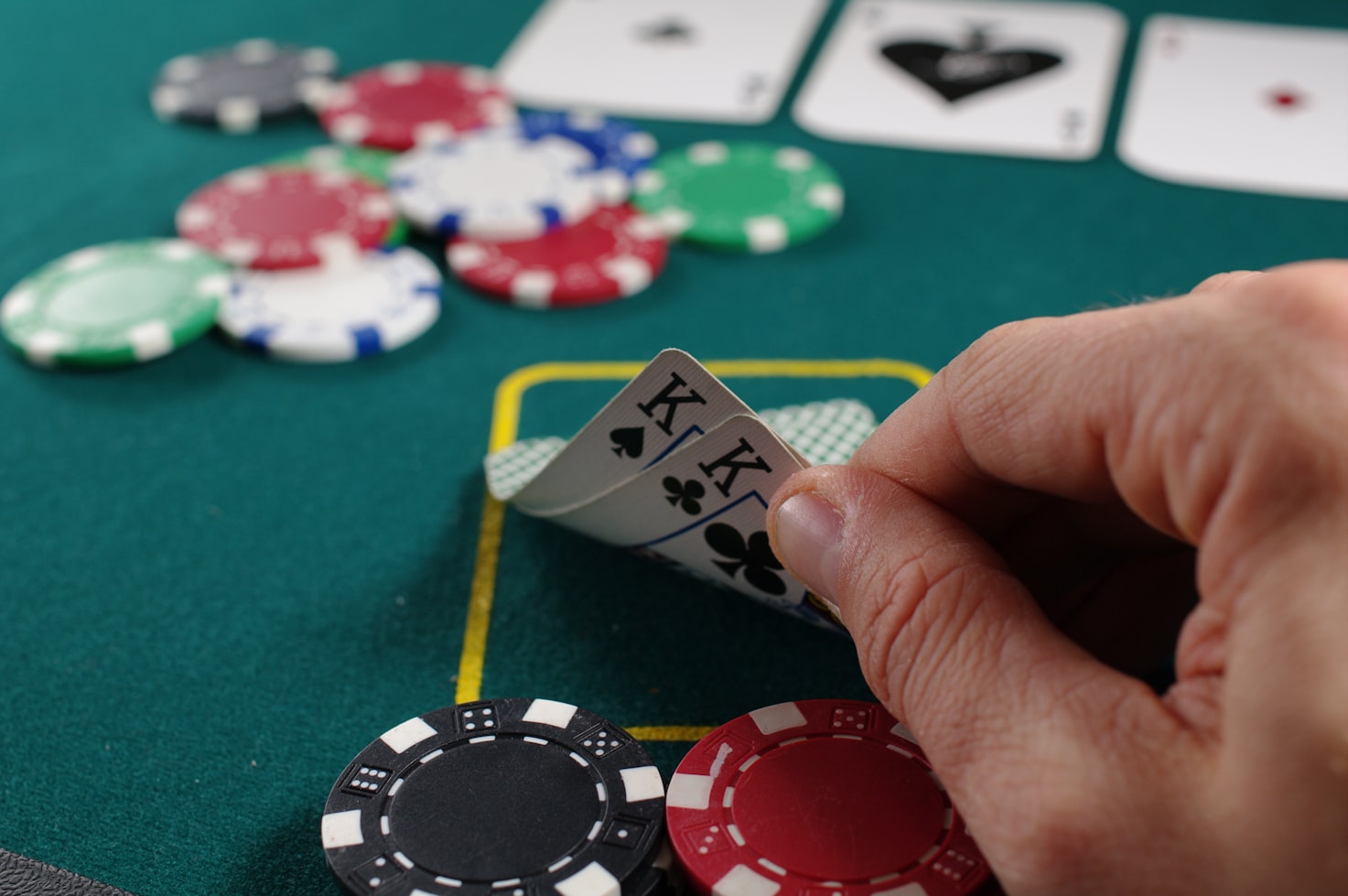
AquaWin Casino and the Online Gaming Experience
AquaWin Casino stands out in the online gaming landscape by offering an expansive library of games tailored for Australian players. With over 2,600 options, including popular pokies and live dealer games, it caters to diverse gaming preferences while providing an engaging platform. The seamless user interface and accessibility ensure that players can easily navigate their gambling experience, making it inviting for both newcomers and experienced gamers alike.
In addition to its game selection, AquaWin Casino offers generous bonuses and ongoing promotions that enhance the gaming experience. The welcome bonus of up to A$1,500 plus free spins attracts new players and encourages continued engagement. Regular cashback rewards further incentivize participation, ensuring that users feel valued and appreciated for their loyalty. By understanding and leveraging the psychology of risk and reward, AquaWin Casino successfully creates an appealing environment for players.
Ultimately, AquaWin Casino not only prioritizes entertainment but also focuses on user-friendly banking options, with fast withdrawals through PayID and crypto. This commitment to providing a seamless gaming experience underscores the casino’s awareness of player needs and preferences. By blending a comprehensive understanding of gambling psychology with an exceptional gaming experience, AquaWin Casino fosters an environment that keeps players engaged and satisfied.
